"Do we buy an off-the-shelf software or have our own developed?" This is one of the first decisions when a tool is lacking. And it’s a real decision, not an obvious one: custom isn’t always the right answer, nor is off-the-shelf. The question comes up in two forms: custom software vs SaaS when you first equip yourself, and leaving a SaaS that has become too expensive or too limiting a few years later. Here’s how I help my clients decide without pushing custom development at all costs.
What each means
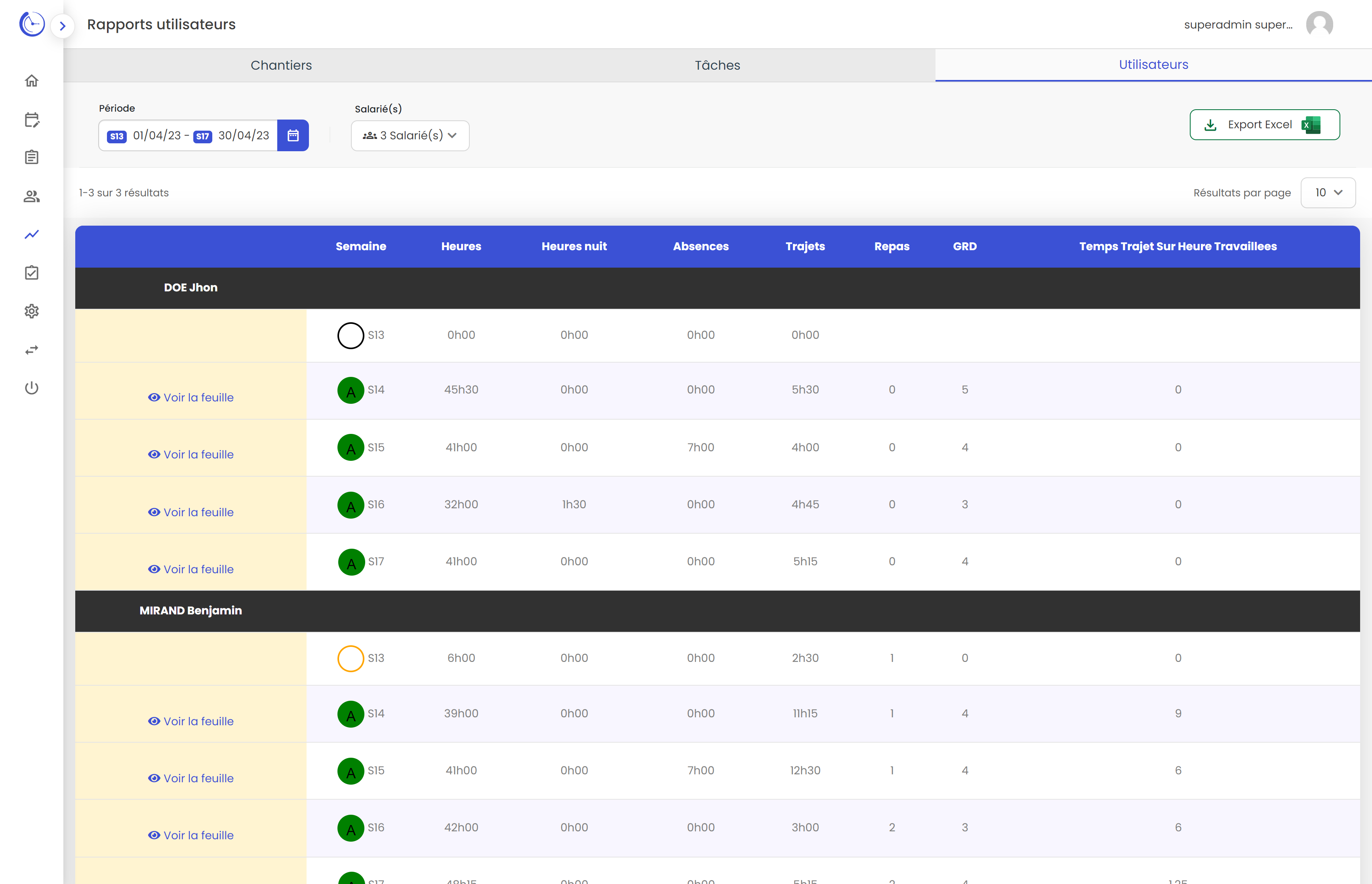
An off-the-shelf SaaS, is a pre-built software, rented on a subscription, shared by thousands of companies: a well-known CRM, an invoicing tool, a project management software. You adapt it a little, and you adapt a lot to it.
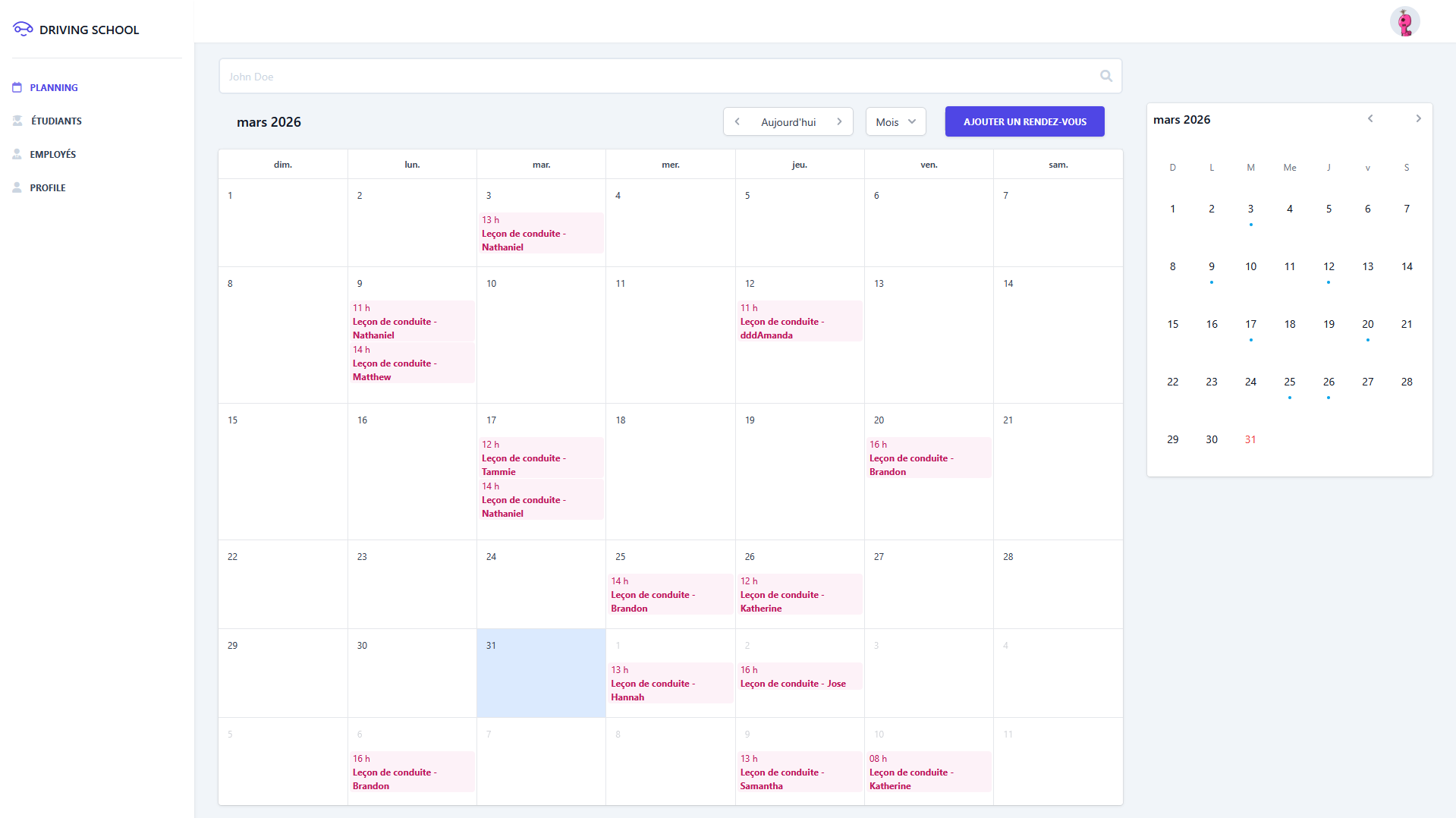
A custom-built solution, is a tool built for you, based on your rules, your terminology, your workflows. It does exactly what you need—no more, no less—and it’s yours.
Between the two, there are dozens of nuances (highly configurable market tools, custom modules integrated into a SaaS…). But the core decision remains the same.
When off-the-shelf wins (and we must admit it)
I’m honest with my clients: in many cases, an off-the-shelf tool is enough, and developing would be wasteful.
Your need is standard. Invoicing, sending newsletters, managing a shared calendar—thousands of companies do the same, the tools exist, they’re reliable and affordable.
You’re just starting out. Until your processes are stabilized, a flexible SaaS lets you experiment without committing to a development budget.
Time is of the essence. A SaaS can be used tomorrow. Custom development takes weeks. If you’re in a hurry for a basic need, off-the-shelf wins.
Paying a subscription for these cases is the right move.
When customization is a must
Customization makes perfect sense when the shelf forces YOUR business to bend to ITS mold.
Your process is your value. If your way of working sets you apart, a standard tool makes you ordinary. Customization protects it and speeds it up.
You’re already bypassing the tool. Excel exports everywhere, repurposed fields, three incompatible software programs: signs that the shelf no longer fits.
Your data is sensitive. You don’t want to entrust it to a third-party service hosted who knows where: a tool on your own infrastructure meets this requirement.
Subscription costs skyrocket. With dozens of users, a per-person subscription eventually costs more than owning your own tool.
For the exact budget breakdown, I cover it in detail in how much does a custom B2B software cost — the real question always being, ‘how much does it save me?’
The Trap of the Two Extremes
Total customization, where you reinvent the wheel (a text editor, a calendar) is wasteful. Forced standardization, where you twist your business to fit a tool that wasn’t made for it, wears down your teams.
The right answer is often in the middle: a SaaS solution for everyday needs, and custom development only for what sets you apart — the unique business component no one else has. That’s where I focus my custom business applications that I develop.
A concrete example of the middle ground: a maintenance company keeps its invoicing software and adds field service software that fits its rounds; I compared the publishers’ 2026 prices and the cases where custom pays off on that page.
My rule of thumb in one question
Before deciding, I ask just one question: does this process make you better than your competitors?
If not (invoicing, counting, scheduling like everyone else) → shelf solution.
If yes (your method, your customer relationships, your production line) → custom development for that part.
The rest is just fine-tuning.
FAQ
Can we start with a shelf solution and switch to custom later?
Yes, and it’s often smart. We validate the need with a SaaS solution first, then develop only when we know exactly what’s missing. You pay for custom development only once the need is certain.
Is custom development only for big companies?
No. A small business with a unique process often stands to gain more than a large company with standard needs. It’s about specificity, not size.
Won’t a custom tool become outdated?
Like any software. The difference is that you decide when and how it evolves, instead of following an editor’s roadmap.
What if I make the wrong choice?
That’s why I start with a short, honest assessment. Sometimes I recommend a shelf solution and sell nothing — it’s better than developing something that won’t be useful.
In summary
Shelf solutions win for standard, urgent, or unstable needs. Custom development wins when the process is your value, when you’re already bypassing the tool, or when your data demands it. And the best approach is often hybrid: off-the-shelf for the mundane, custom for what sets you apart.